What it is
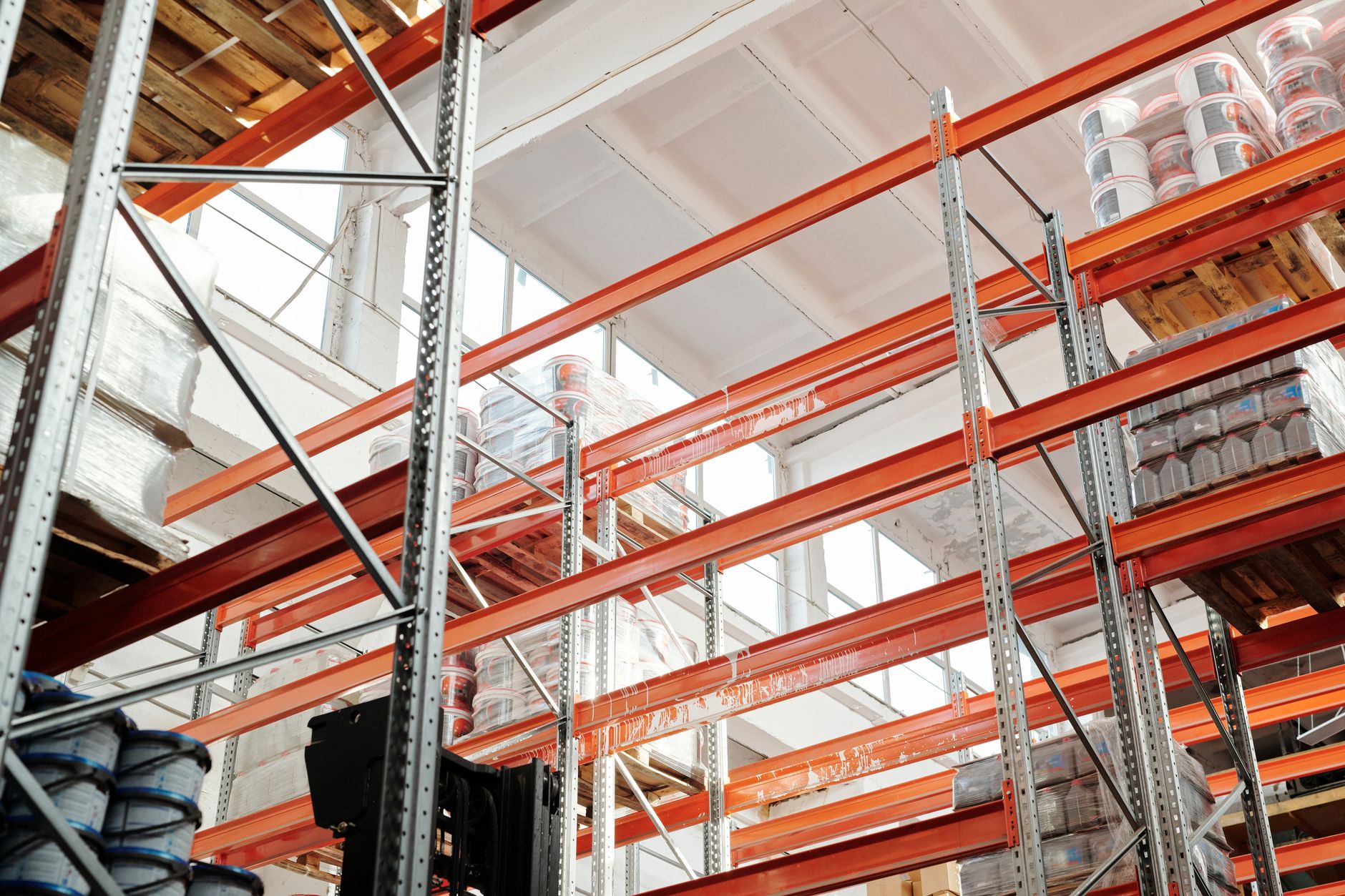
Warehousing holds imported or manufactured goods between arrival and sale, with the stock recorded by location, batch and quantity. The point of a managed warehouse is that what the system says is on the shelf is actually on the shelf.
What is included
- Receiving inspection with photographic record
- Recorded storage location per item
- Cycle counting and stock reporting
- Order picking and packing
- Dispatch record and carrier handover
How it works
Receiving
We check incoming goods against the packing list, record quantity and condition and photograph any damage before signing.
Put-away and location
Every item goes to a recorded location, so picking does not depend on somebody remembering where it was left.
Inventory control
We run cycle counts rather than one annual count, which catches discrepancies while they are still small.
Picking and dispatch
We pick, pack and hand over to the carrier with a dispatch record tied to the order.
Frequent questions
How is stock accuracy maintained?
Through recorded locations and regular cycle counts. Accuracy is a process, not a one-off count at the end of the year.
Can I see stock levels without calling?
Yes. Stock positions are reported on an agreed cycle, and ad-hoc positions are available on request during business hours.
What happens to damaged goods on arrival?
They are quarantined, photographed and reported before put-away, so the claim against carrier or supplier is made while the evidence is still valid.
Related
Your team here
Commercial representation
Prospecting, presentation and order follow-through in the territory, under a written representation agreement.

Suppliers, verified
Import sourcing
Finding and qualifying suppliers abroad against a written specification, with sample approval.

No surprises on arrival
Customs and compliance
Tariff classification, document review and the import declaration, with duties calculated before shipping.